AGP Executive Report
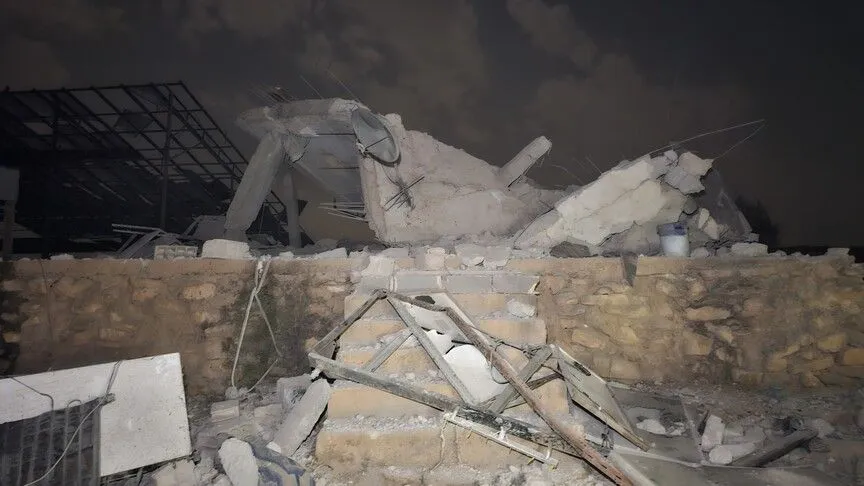
Last update: 5 hours agoCivilian Casualties: Three children were injured when a landmine exploded near Tal Tamr in Hasakah countryside; one was in serious condition and transferred to Hasakah for treatment. Airstrikes: Jordanian strikes in Daraa killed civilians, including children, and injured four, according to the province’s health directorate. Syria has objected that the operation was not coordinated, and closed the Nasib crossing with Jordan. Displacement and Health Services: About a quarter of displaced Syrians in northern camps have returned home since May, officials say. The return initiative includes plans to restore hospitals, clinics, water and sanitation networks, and other basic services.
Note: AI summary from news headlines; neutral sources weighted more to help reduce bias in the result. Feedback is welcome. Please let us know if you have any comments or suggestions about the AGP Executive Report.

 Perspectify News